
The Allure of Gambling: Temptation and Risk
The psychology of gambling is deeply rooted in human behavior, where the allure of risk captures the imagination of many. Casinos are designed to stimulate excitement and anticipation, making players feel that a big win is just around the corner. This sensation, often referred to as the “near-miss” effect, can push individuals to continue playing, even when their chances of winning diminish. The thrill of almost winning taps into our desire for reward, making the experience intoxicating. As players engage with these emotions, discovering a new bitcoin casino may seem like an enticing opportunity to explore fresh chances for winning.
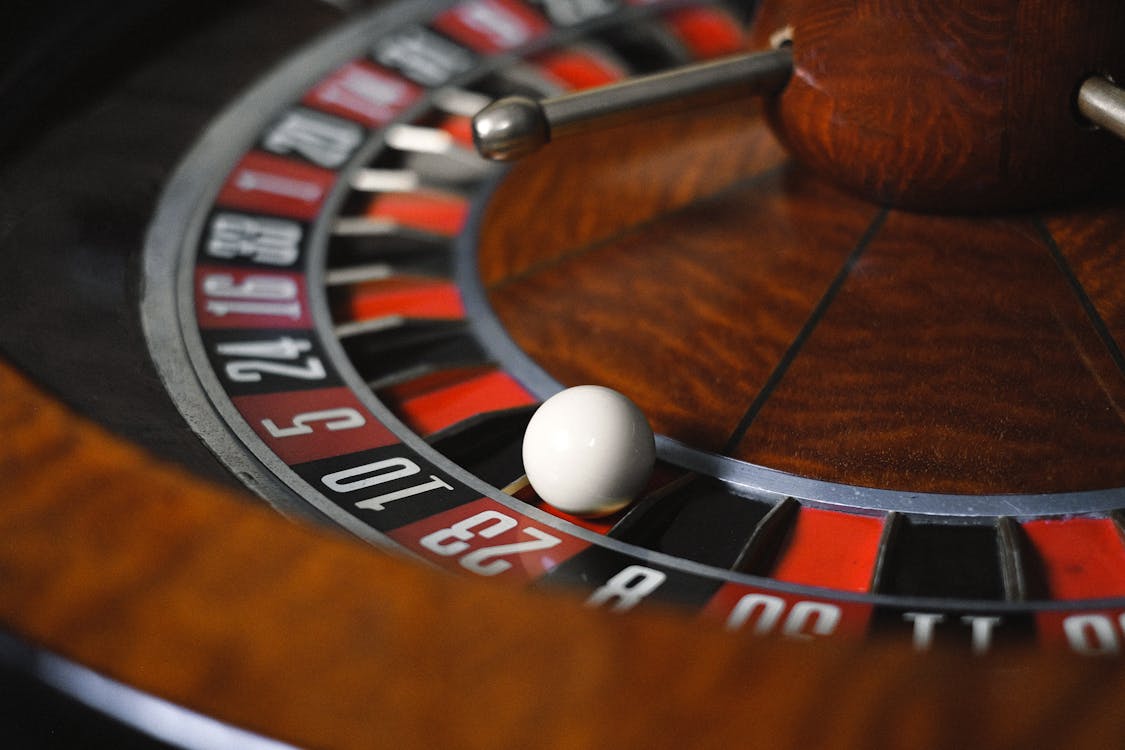
Moreover, the environment of a casino is purposefully crafted to enhance this psychological engagement. Bright lights, enticing sounds, and the presence of fellow gamblers create a social atmosphere that can be both exhilarating and distracting. This combination of sensory stimuli can alter a player’s perception of time and reality, leading them to gamble longer and spend more money than they initially planned.
The Role of Cognitive Biases in Gambling
Cognitive biases play a significant role in the decisions gamblers make in the casino. One common bias is the illusion of control, where players believe they can influence the outcome of a game based on their skills or strategies, even in games of pure chance. This misguided belief often leads to increased gambling activity, as individuals continue to engage in betting under the false pretense that their decisions can alter the inevitable.
Another prevalent bias is the gambler’s fallacy, which leads individuals to think that past outcomes influence future results. For instance, a player may assume that a specific slot machine is “due” for a payout after a series of losses. This fallacy can lead to emotional and financial investments in games, as players chase losses and irrationally believe that their luck will change. When these biases occur, they often contribute to the Unknown consequences of gambling behavior, as players find themselves caught in a cycle of hope and despair.
The Emotional Rollercoaster of Winning and Losing
The emotional highs and lows experienced while gambling can significantly influence a player’s behavior and mindset. Winning can evoke feelings of euphoria, temporarily boosting self-esteem and confidence. This rush often encourages players to continue gambling, hoping to replicate that winning feeling. Conversely, losing can lead to frustration and despair, prompting individuals to gamble even more in an attempt to recover their losses. This emotional cycle is a powerful driver in the gambling experience, making it challenging for players to recognize when to stop.
Furthermore, the emotional aspect of gambling is intertwined with social elements, as players often share their experiences and wins with friends or fellow gamblers. This communal aspect can amplify the psychological factors at play, as shared feelings of excitement or loss create an environment where players feel supported yet potentially pressured to continue gambling.
Strategies for Enhancing Winning Odds
While gambling fundamentally involves chance, certain psychological strategies can enhance a player’s experience and potentially increase their odds of winning. One effective approach is setting a budget and adhering to it strictly. Psychological commitment to a predetermined limit helps gamblers remain in control of their spending, minimizing the risk of chasing losses and avoiding financial pitfalls.
Additionally, understanding the specific games and their odds can empower players to make more informed decisions. By learning about the games they play, individuals can align their expectations with reality, which helps maintain a positive mindset during their gambling experience. This knowledge can also mitigate the emotional impacts of losing, as players become aware of the inherent risks involved in gambling.
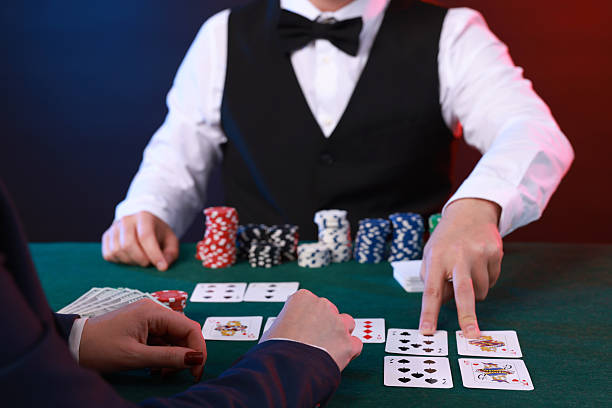
Conclusion: Embracing Responsible Gambling
In conclusion, the psychology behind winning at the casino is multifaceted, encompassing elements like the allure of risk, cognitive biases, and emotional experiences. Understanding these psychological aspects can help gamblers navigate their experiences more effectively, fostering a healthier approach to gambling. Responsible gambling is not only about enjoying the thrill but also recognizing the boundaries that can protect against harmful behavior.
By acknowledging the psychological dynamics at play, players can make informed choices that lead to a more enjoyable and sustainable gambling experience. If you find yourself drawn to the excitement of casinos, remember to play responsibly and prioritize your well-being above all else.